Music Theory: It’s a Language thing
A lot of people get bent out of shape about music theory and the need to have a certain amount of knowledge before you jump into the world of music. Here’s one of those thinkers helping us re-think that position:
Theology is a lot like music theory. There are an infinite number of of details to get lost in.
You can spend your life studying scales and modes, chordal harmonic intricacies, world music, time signatures, composers, and musical history. You may outshine your peers in your understanding of these details and complexities, but that doesn’t make you a musician.
You’re not a musician until you make music. When you actually begin creating music, your knowledge of theory can definitely help, but you can make music with the most rudimentary understanding of theory. It’s not the quality of the music that makes one a musician; it’s the drive to create your own rhythm and melody.
In the same way, your knowledge of biblical trivia, theological ideas, and Christian history won’t make you spiritual. A complete simpleton has the same spiritual capacity as a genius (maybe more, since they’re less likely to get caught up in ego and performance).
The desire and drive to draw near to God is what makes someone spiritual. You don’t have to be good at spirituality. Your prayers may seem childish and your attempts to recognize the divine in your life might be hackneyed. As long as you’re moving towards God, you’re becoming more spiritual.
The Bible will definitely help as long as you see it as a tool to help you in your pursuit. As soon as biblical knowledge becomes an end in itself, you stop feeding your spirit.
Don’t be intimidated by someone who looks down on you for your lack of theological understanding. In the end, Christ won’t be giving you an S.A.T., he’ll be asking, “Do I know you?”
Posted by Jayson D. Bradley on Tuesday, March 29, 2016
These parallels between music theory and theology are observations that I really wish were mine, but they’re not. They are from a former podcast guest and all around smarty pants Jayson D. Bradly.
I love music theory. I’m a big fan of learning the rules before you break the rules. And I’ve spent enough time in the classical world to see music theory put on a pedestal. Yet, I’ve seen the exceptions that blow this paradigm out of the water, and similarly humbled me.
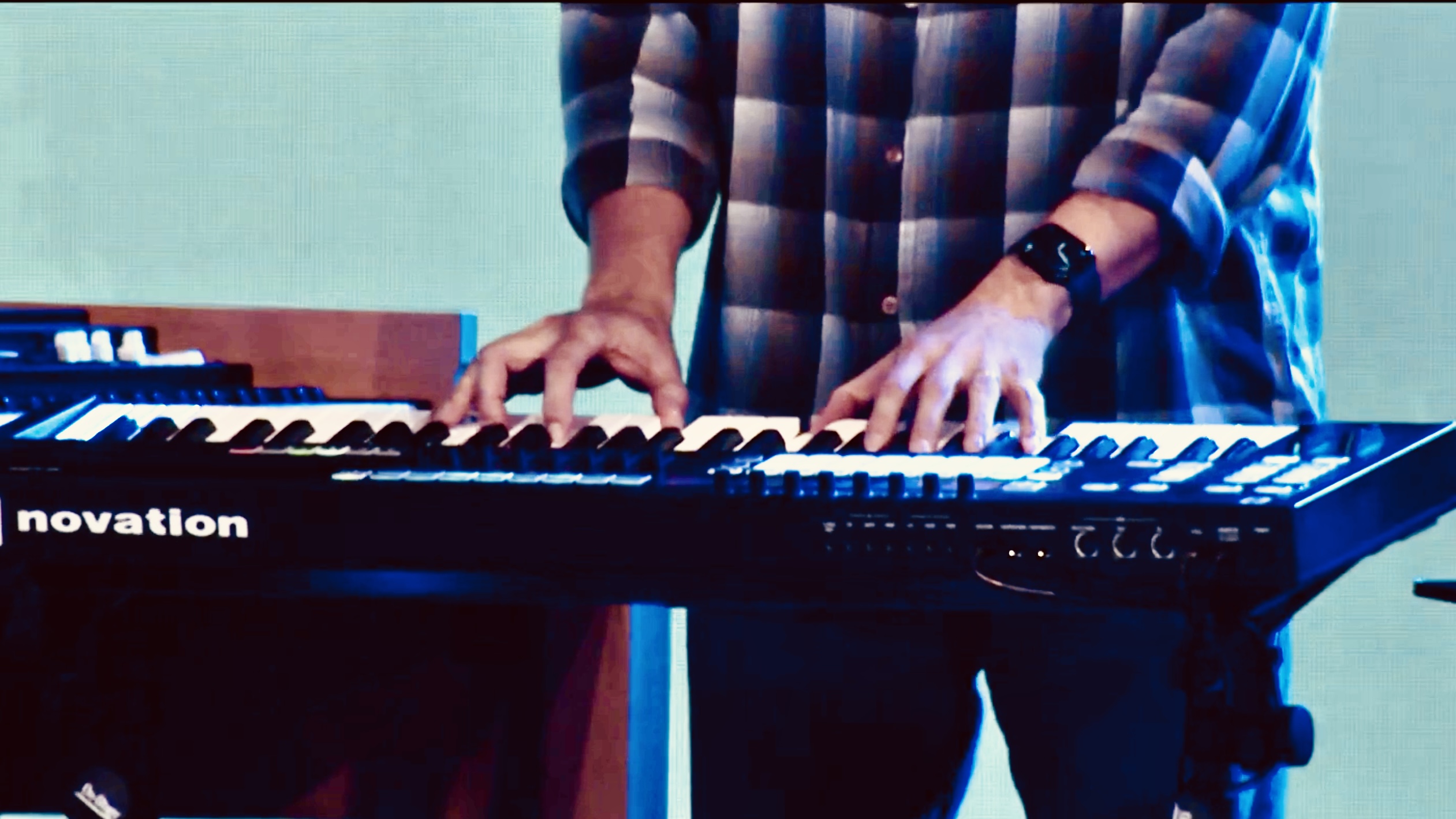
I remember being in the studio with one of my favorite drummers I’ve ever played with. He might be the closest thing to Jeff Porcaro (of Toto) that I’ll ever play with. I was in the studio to play keys not produce, but when he kept missing this one section I offered up, “it’s just a 2/4 bar before going back to 4/4”. He didn’t know what I was talking about. He said, “just play it for me”. So I did, and he got it. Turns out he had none of the time signature vocabulary, none of the theory, but remains at the top of my list of musicians with a huge capacity to get ‘er done.
Another guy, a gifted songwriter, was showing me the keyboard part he wanted me to play to this song he wrote, and I was trying to write something down to remember it, and I literally could not figure out what the chords were for what he was doing – I had to default to notation. Once again, theory wasn’t getting it done, musicianship was.
I think of the difference between a theologian who studies at a seminary and preaches each week, versus one who chooses the ascetic life of a monk in a monastery. Who is the better Christian? Similarly, one who knows all the theory versus one who can play what serves the song in the moment – who is the better musician?
May we not put ourselves on so high of a pedestal with our head knowledge, that we get humbled by those walking the walk.
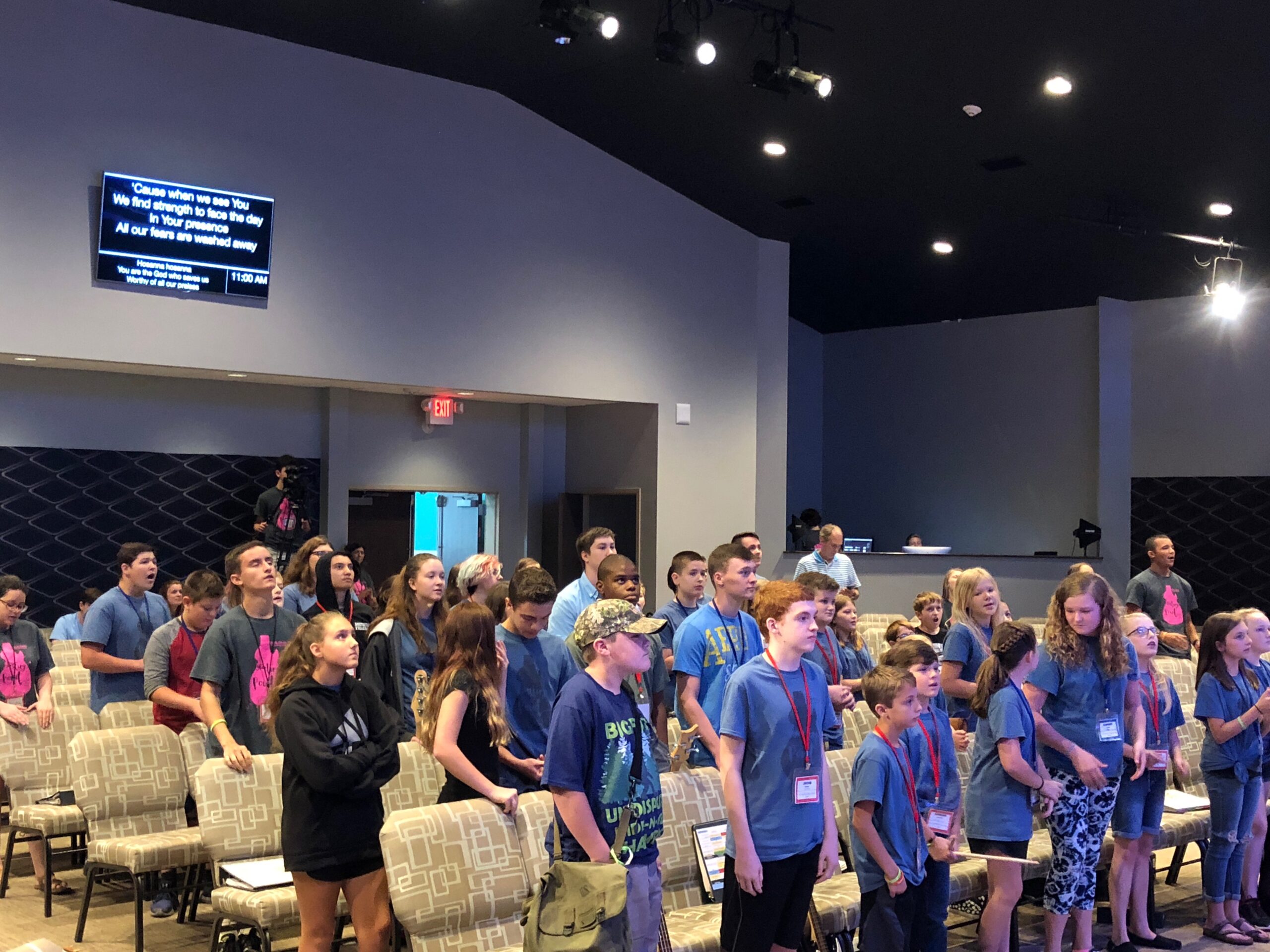
At Building Your Band Worship Camps, we intentionally teach “Language of Music” courses to all attendees, because much like a child, music is first caught before it is taught. Childewn don’t go to class at three before they can learn to say Mama or “pass the rice.” They simply live the language and it becomes a part of them. Later in life, they may learn to read and still later learn to write – but they start out communicating from very early in life.
Our approach to music is the same: give students basic musical tools so they can begin “communicating” . . . then once they start playing and singing, they may move onto deeper understandings that increase musicianship technically.
Schedule a conversation about next Summer’s camps today!
✓ you can lead your BYB Camp
✓ We will provide all you need to succeed